Vibe Jam 2026: Creating Geobeat
Entering the world of Vibe Jams
At the end of April 2026, in an effort to give my brain a break from working on the more ambitious Shed Racer, I got working on something straightforward (and yet, completely new). I joined the Cursor Vibe Jam and came out with Geobeat.
Loading the embed shares your IP with X Corp. and may set third-party cookies.
This year's Jam ran the full month of April, with submissions closing on May 1, 2026 at 13:37 UTC. Pieter Levels put up a $40,000 prize pool, split $25,000 for gold, $10,000 for silver and $5,000 for bronze, more than double last year's purse, with Cursor returning as Diamond sponsor and Bolt.new, Glif and Tripo AI rounding out the support. The rule that defined the spirit of the Jam carried over from 2025: at least 90% of your code had to be written by AI.
If you check the stats on the Vibe Jam page, you'll see there were a lot of jammers this year and just under a thousand games submitted. While a typical game jam is already an interesting exercise in itself, it was also cool to see how other people are vibe coding these days and get a feel of what's to come in game development, given what can be done today with AI. And while yes, a lot of the AI hype can be considered out of this realm of reality, I think we have to admit that if in 2026 you're a developer who is still in denial about how vibe coding is impacting game development, you should reconsider.
Vibe-coded games during Vibe Jam
Just looking at what can be done with tools like Cursor or Claude Code in the context of games released in the Jam is quite impressive, especially when you consider speed and effort to build. The quality of the entries compared to last year is clearly visible. All of these games were built within a month. Take a look at some of the most played games submitted to the Jam:
Exploding Hamsters
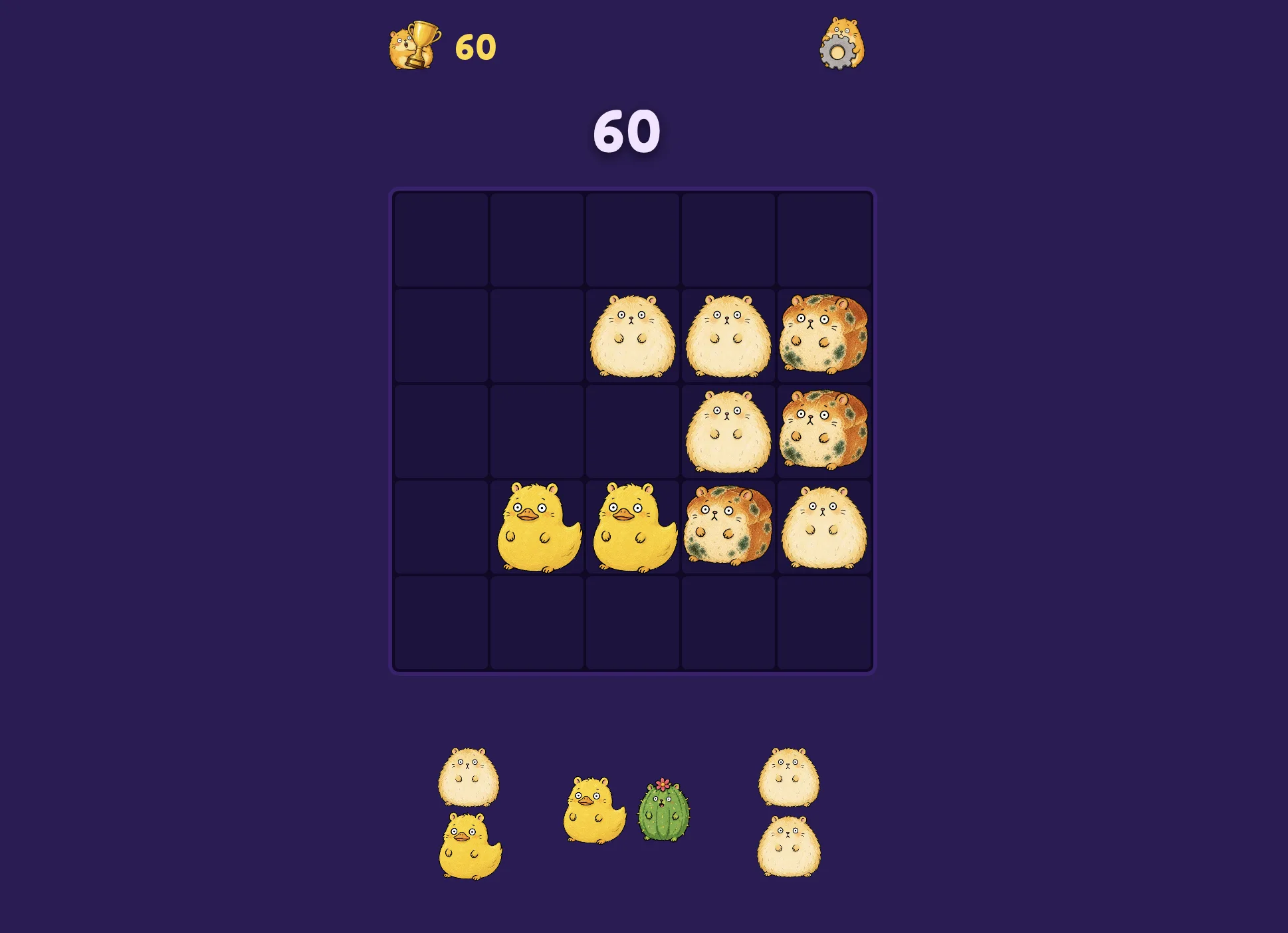
Exploding Hamsters literally just says "Hamsters go boom", which is very on the nose. With an art style is reminiscent of Plants vs Zombies, this game is a simple and fun puzzle game where you compete against your own past decisions.
Duality
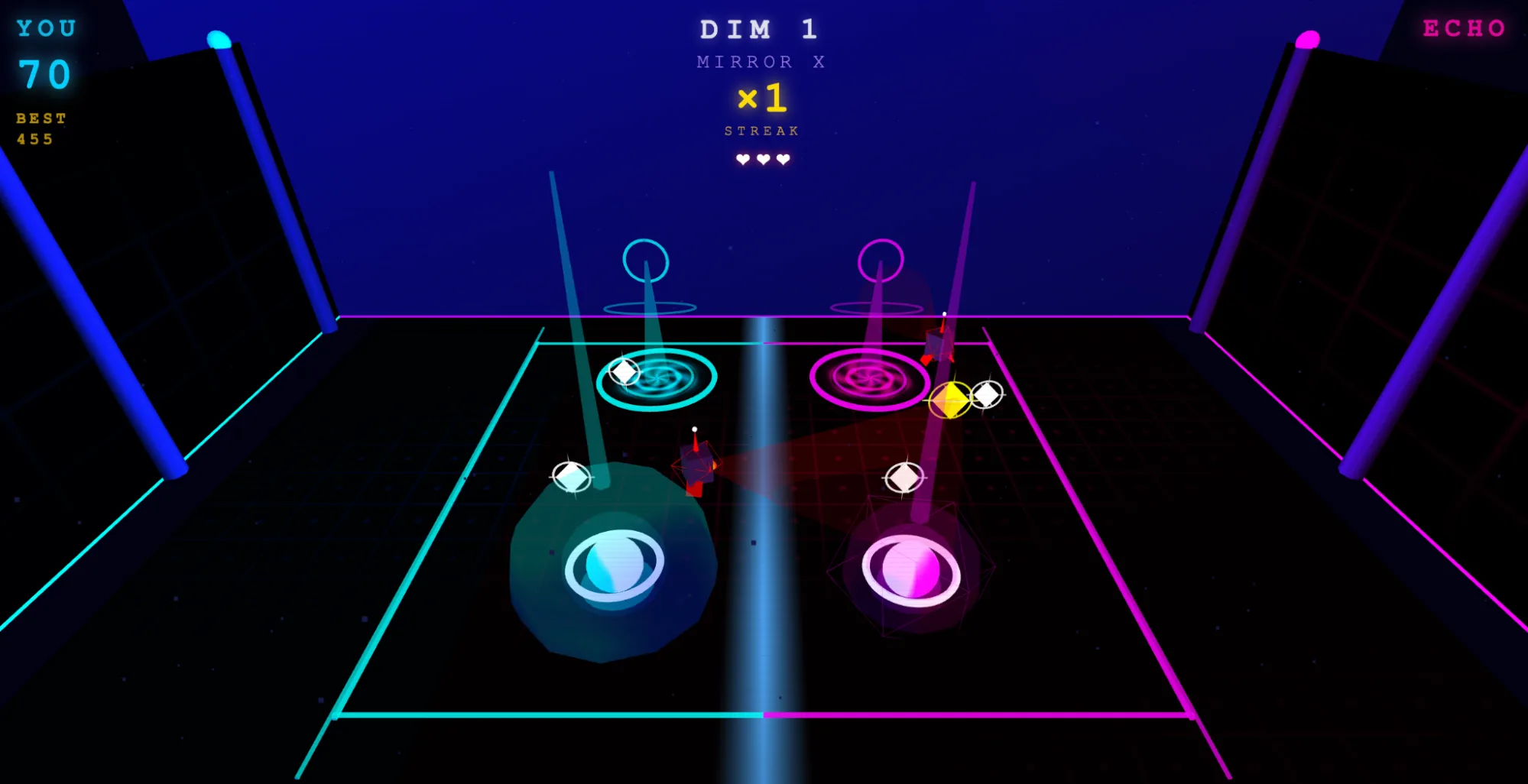
Duality was a bit more of an interesting concept as you had two separate "entities" to control across parallel fields that had different layouts. The goal is to dodge enemies (or rather, "voids") and steer yourself to collect gold stars for points. This was incredibly straightforward, but the concept still feels fresh.
Wenware
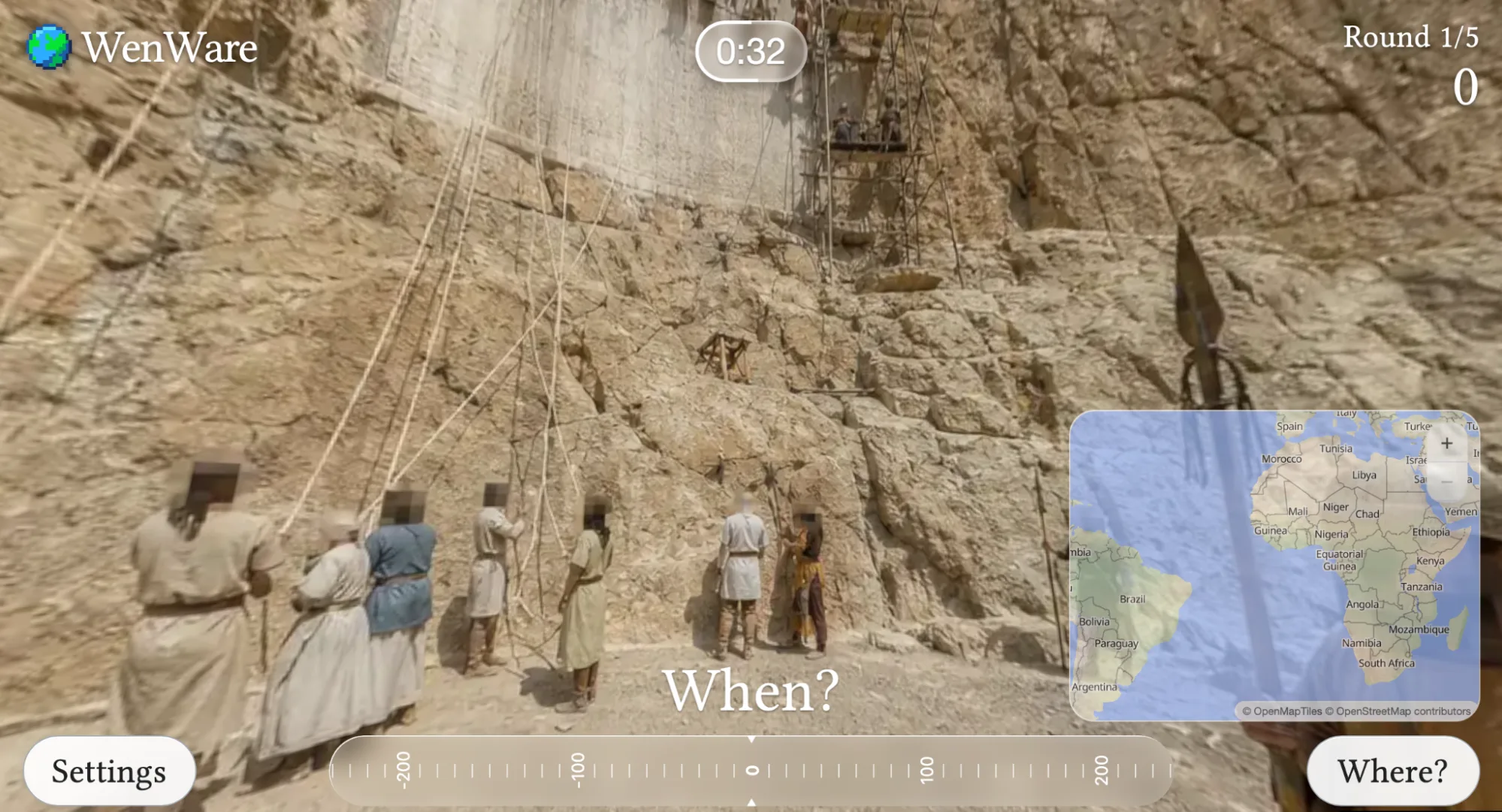
Wenware, meaning "When and Where", is a cute spin on the more popular Geoguessr. It's the same concept in the sense that you guess where the location is, except this time it has the additional layer of guessing the period of the photo as well. I've personally gotten dropped off in Ancient Rome, as well as in the Cuban Revolution. So while I would say this is easier than Geoguessr, it's a little bit more entertaining for those of us who can't spot the difference between the grass in Australia and in New Zealand.
Tiny Skies
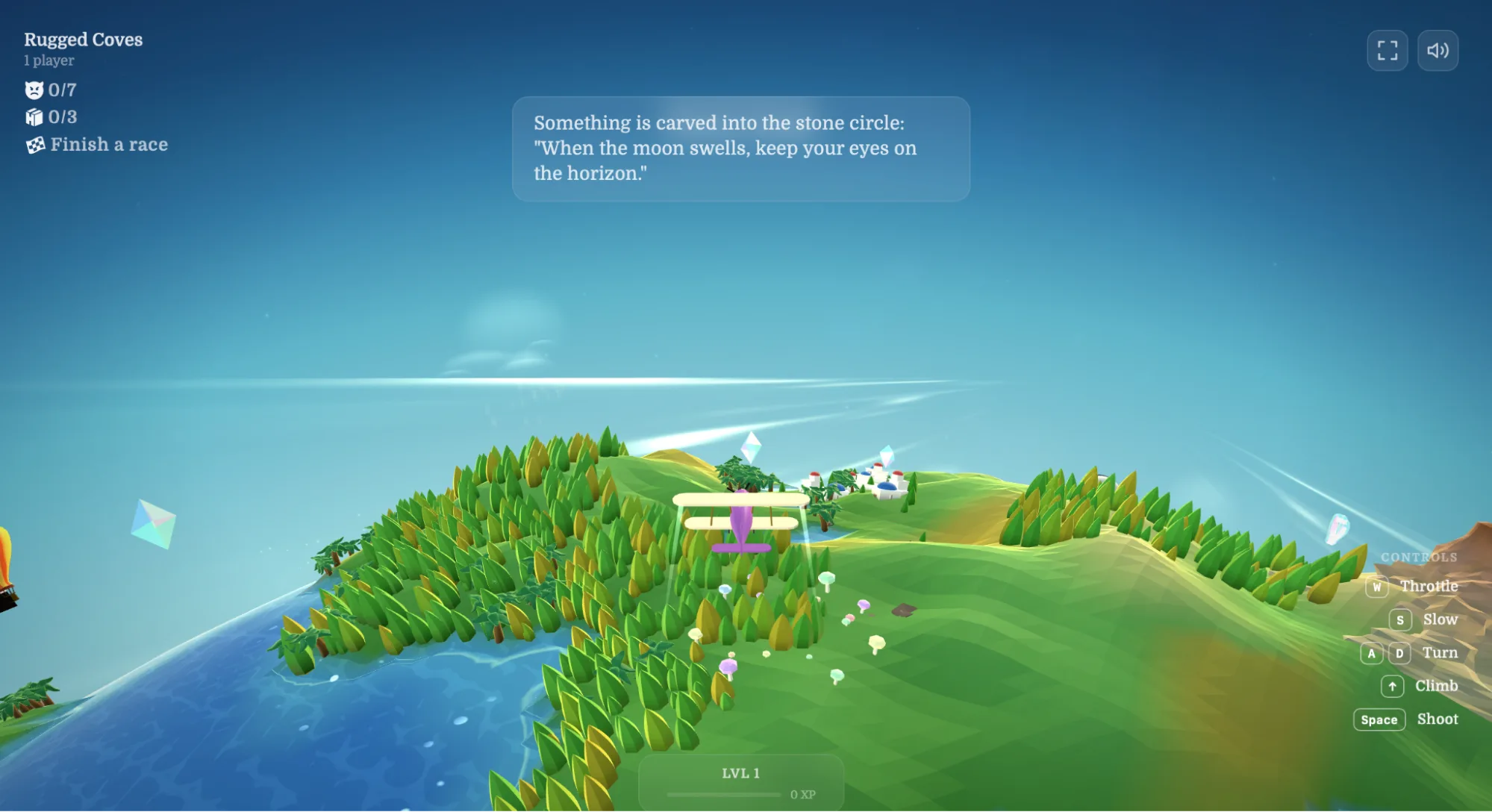
Tiny Skies is a cozy game that really feels like a fleshed out world, where you can race through rings, shoot cute enemies in the sky, pick up some powerups and get to know some interesting characters along the way. The music, the world-building and the art style is something you can really sink your teeth into if you're into this genre of games. This is something that the developers can easily create unending levels for especially with such a straightforward game loop. The ending is brutal though.
Hollowlands
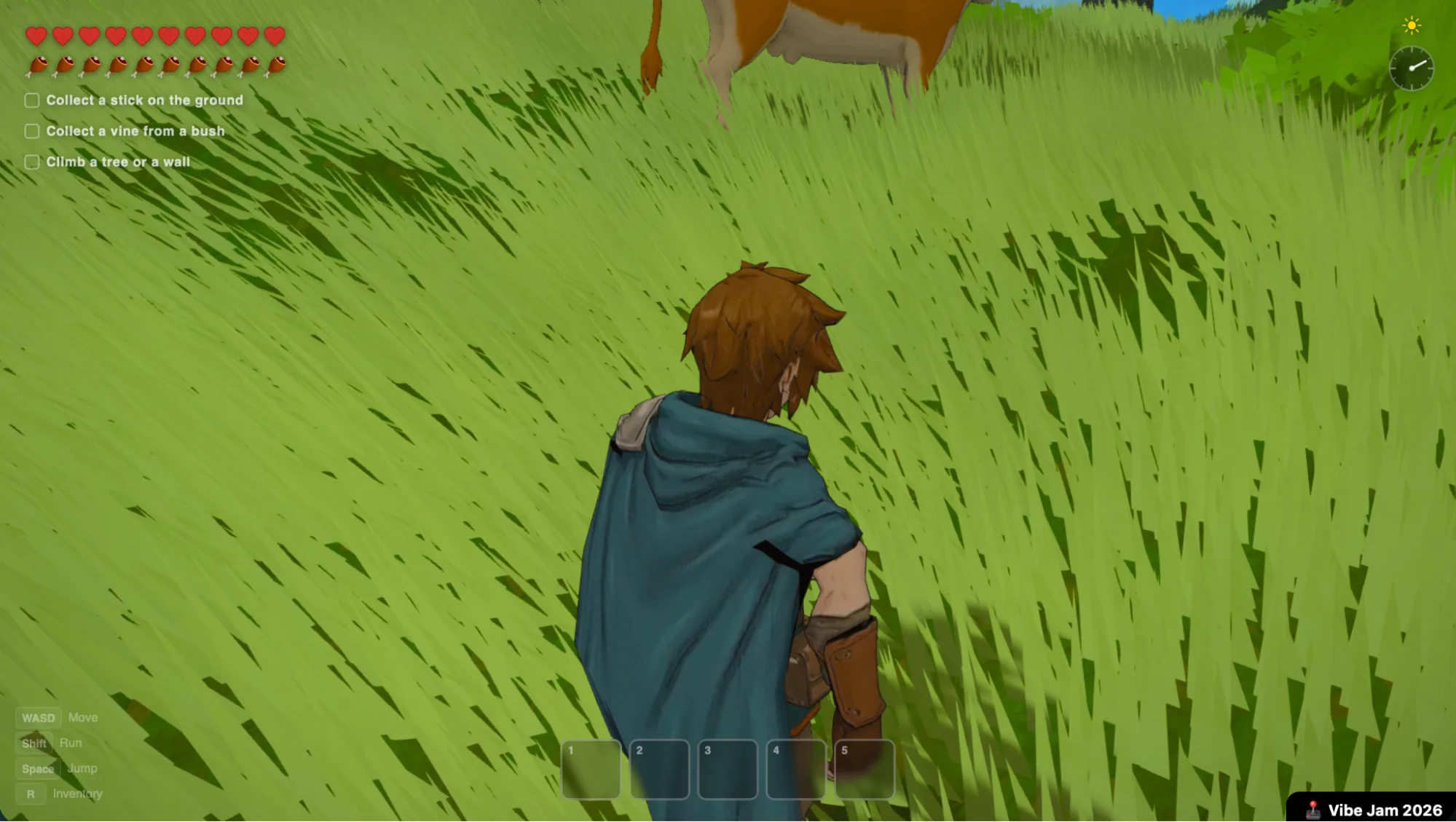
Hollowlands was such a great find just because it really shows you how much you can leverage vibe coding for building out open world games. It's a survival action game with clear mechanisms and goals. It's something you can play on a lazy afternoon and feels rewarding to pour a few hours into just exploring the infinite world and building. While there are already many games out there in this genre, this one is a relaxing pick. I can't quite put into words why it's so compelling, but it really shows you that sometimes the "make or break" of a good game can sometimes be just creating a good overall vibe and not necessarily any one metric.
MRR Clicker
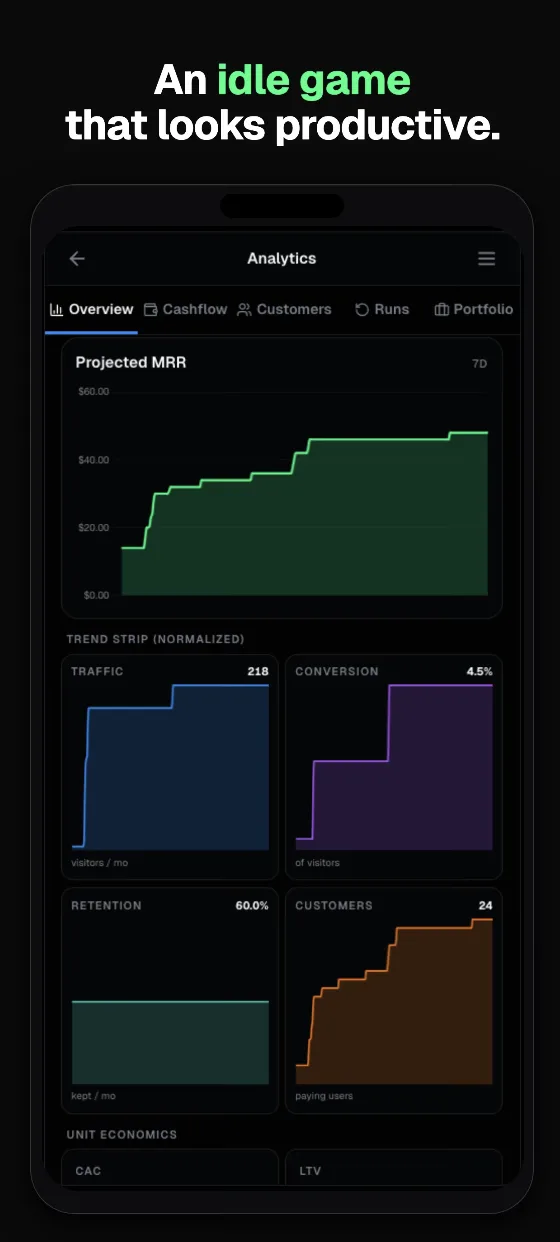
This gets a feature for being the most traumatizing of them all. MRR Clicker probably turned some heads just because it touches on a very familiar topic for all founders: looking at dashboards of your business and figuring out whether or not that means anything relevant.
This is less of a game and more of epic storytelling that can only stem from personal trauma by way of founding your own startup. An insidious commentary to entrepreneurship turned into a game, this reminded me that we make games to make our users feel something. And boy, did I feel something. Check it out if you're a developer and entrepreneur needing to go through an existential crisis.
Inspiration for Geobeat
geobeat is a nod to a minimal but addicting game called Super Hexagon. If you look it up on Steam, you'll see there's only one sentence in its description, but quite frankly that's all it needs. I was aiming to make something that invoked a similar feeling for the user as Super Hexagon did for me: a compulsion to completely lock-in with a trippy hook.
Most reviews for Super Hexagon will tell you similar feedback, which is that playing it is dizzying and unwatchable content. But for the user playing, it's pure adrenaline.
Doing this required two things: gameplay that needs no instruction and a soundtrack to up the ante. As this was a vibe jam, it was good exercise to think of a simple concept for a game that didn't require much in terms of development. It was also a good chance to see an idea be driven by its own merit, not by the bells and whistles of sophisticated platforms and development.
Geobeat is now live on YouTube Playables, which means anyone can jump in straight from YouTube on desktop or mobile, no download, no install, just the loop. If you want to test that compulsion for yourself, that is the place to do it. You can also play Geobeat on dmnshd.gg, where it runs in AR and tracks high scores on a global leaderboard.
My takeaways from the Vibe Jam
The Vibe Jam really shows how far generative models have come in the last year as the output of the models and tools are getting way better. Vibe coding is becoming more and more viable as a primary way to develop games, as we have seen with how many games the jam produced in such a short amount of time. Even my own game took just 2 days from concept to fruition.
It was built with the Immersive Web SDK by Meta, which can plan, build and debug a whole WebXR application for you and enhance the development experience in unique ways. Testing becomes much more streamlined, as the models can control a whole browser window via MCP tooling. It can pinpoint and fix issues at unprecedented speeds and I am excited to use it in more complex projects going forward.
This also means that as game development becomes more accessible to everyone, the moat of producing games gets smaller. Making great games will more and more come down to great ideas and compelling interactions, whose execution will be accelerated with AI and not taken over by it.
Until next time
Ready to Play?
All games on dmnshd.gg are free and load instantly in your browser. A free account saves your progress and starts with 100 tokens.